
In this article
Ubud, Bali, continues to attract Indian digital nomads in 2027, offering a blend of cultural immersion and a supportive remote work environment. Practical planning for accommodation, visa requirements, and daily expenditure is essential to maximise a stay. The average daily budget for a comfortable experience, excluding hotels, starts from $150 USD.
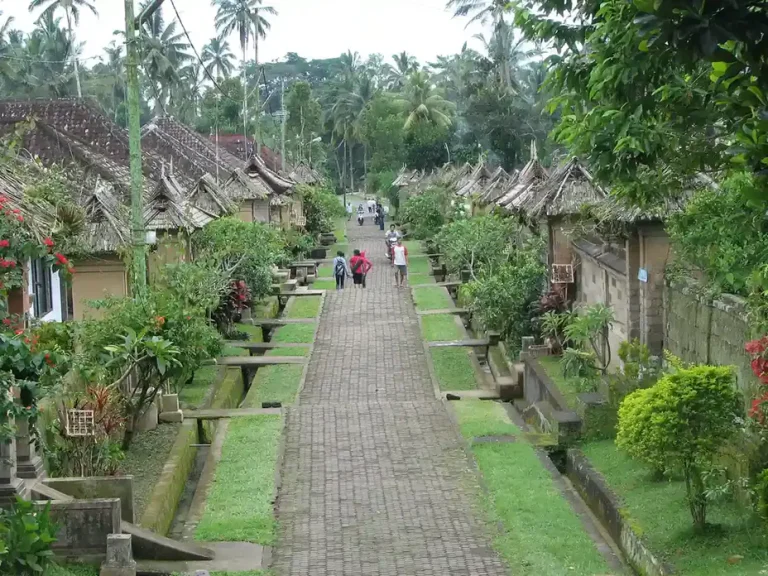
Ubud, a cultural centre on the Indonesian island of Bali, remains a magnet for digital nomads worldwide, including a growing contingent from India, in 2027. This guide provides a factual overview for Indian professionals considering Ubud as their remote work base, focusing on practicalities, costs, and the evolving professional landscape.
Understanding Visa Requirements for 2027
For Indian citizens planning a stay in Bali in 2027, the standard visa on arrival (VoA) remains a common entry method. This visa typically costs approximately $35 USD and permits a stay of up to 30 days, extendable once for another 30 days. However, for those intending longer durations or specific work activities, a different visa category, such as a business visa or a professional visa, may be more appropriate. It is imperative that passports are valid for at least six months beyond the intended return date and contain a minimum of two blank pages for stamps. For instance, if an intended departure is in December 2027, your passport should not expire before June 2028. Always consult the latest regulations from the Indonesian Directorate General of Immigration or the Indonesian embassy in India well in advance of travel to ensure compliance with all entry requirements.
Accommodation Options and Costs in Ubud (2027)
Ubud offers a diverse range of accommodation, from budget guesthouses to luxury villas, catering to various preferences and budgets. In 2027, a comfortable guesthouse or a private room in a co-living space can be secured for approximately $500-$900 USD per month. For those seeking more privacy or amenities, a one-bedroom villa with a private pool might range from $1,200-$2,500 USD per month, depending on location and facilities. Areas slightly outside the immediate town centre often provide better value and a quieter environment. Many digital nomads opt for monthly rentals, which typically offer better rates than daily or weekly bookings. Websites and local Facebook groups dedicated to Bali rentals are reliable sources for finding suitable long-term accommodation. It is advisable to book initial accommodation for the first few weeks and then scout for longer-term options upon arrival to ensure they meet personal requirements.
Daily Living Expenses and Budgeting
A realistic daily budget for a comfortable experience in Ubud, excluding accommodation, starts from $150 USD in 2027. This figure accounts for food, local transport, co-working space access, and occasional leisure activities. Eating local Indonesian food from ‘warungs’ (small, family-run eateries) is significantly more economical than dining at Western-style restaurants. A meal at a warung can cost as little as $3-$7 USD, whereas a meal in a mid-range restaurant might be $15-$30 USD. Groceries for home cooking, if accommodation includes kitchen facilities, can further reduce food expenses. Transport costs can be managed by using ride-hailing apps like Gojek or Grab, or by renting a scooter, which typically costs $60-$100 USD per month. Fuel is relatively inexpensive. Consider the table below for a breakdown of estimated monthly expenses.
| Category | Estimated Monthly Cost (USD) |
|---|---|
| Accommodation (Mid-range villa) | $1,500 – $2,500 |
| Food (Mixed local/western) | $450 – $900 |
| Co-working Space | $100 – $250 |
| Local Transport (Scooter rental + fuel) | $80 – $150 |
| Utilities & Internet | $50 – $100 |
| Leisure & Activities | $150 – $400 |
| Total Estimated Monthly Cost | $2,330 – $4,200 |
Co-working Spaces and Connectivity
Ubud is well-equipped with co-working spaces that cater specifically to the digital nomad community. Places like Hubud and Outpost remain popular choices in 2027, offering reliable high-speed internet, comfortable workspaces, meeting rooms, and networking opportunities. Monthly memberships typically range from $100-$250 USD, depending on the level of access and facilities. These spaces are invaluable for maintaining productivity and connecting with other professionals. Outside of co-working spaces, many cafes and restaurants offer free Wi-Fi, though speeds can vary. For personal internet, purchasing a local SIM card with a data package is straightforward and inexpensive, with providers like Telkomsel offering good coverage and speeds across the island.
Healthcare and Insurance Considerations
Access to quality healthcare is a significant consideration for any long-term stay. Ubud has several clinics and a regional hospital, but for serious medical conditions, facilities in Denpasar or Singapore are often preferred. Comprehensive travel insurance that covers medical emergencies, evacuation, and repatriation is strongly advised for all Indian digital nomads. Policies should be reviewed carefully to ensure they cover the specific activities planned and the duration of stay. It is also prudent to carry a basic first-aid kit and any necessary prescription medications, along with their prescriptions, as some drugs might not be readily available in Bali.
Cultural Immersion and Local Etiquette
Ubud is deeply rooted in Balinese Hindu culture, and respecting local customs is crucial. Dressing modestly, especially when visiting temples or attending ceremonies, is expected. This typically means covering shoulders and knees. Learning a few basic Bahasa Indonesia phrases, such as ‘terima kasih’ (thank you) and ‘permisi’ (excuse me), is appreciated by locals. Engaging with the community, participating in local workshops, or attending traditional performances can enrich the experience significantly. Navigating daily life with an understanding of local etiquette will ensure a more harmonious and respectful stay.
- Always use your right hand when giving or receiving items, as the left hand is considered impure.
- Do not touch people’s heads, as it is considered sacred.
- Remove your shoes when entering someone’s home or a temple.
- Avoid pointing with your finger; use an open hand instead.
- Be mindful of offerings (‘canang sari’) placed on the ground; step around them carefully.
Exploring Bali Beyond Ubud
While Ubud offers a rich cultural experience, Bali has much more to explore. Day trips to the coast for surfing in Canggu or Seminyak, or to the volcanic regions for trekking, are popular. For those requiring reliable transport for such excursions, or for airport transfers, services like bali luxury transfer provide comfortable and efficient options. Exploring different areas not only offers varied experiences but also allows for a broader understanding of Balinese life. Remember to factor in travel time and costs for these outings when planning your monthly budget.
Q&A: What is the recommended passport validity for an Indian digital nomad staying in Bali for three months in 2027?
For an Indian digital nomad planning a three-month stay in Bali in 2027, your passport must be valid for at least six months beyond your intended return date. This means if you plan to depart Bali at the end of your three-month stay, for example, in September 2027, your passport should not expire before March 2028. Additionally, ensure you have at least two blank pages for immigration stamps.
Q&A: What is a realistic minimum daily budget for an Indian digital nomad in Ubud in 2027, excluding accommodation?
A realistic minimum daily budget for an Indian digital nomad in Ubud in 2027, excluding accommodation, starts from $150 USD. This budget allows for a comfortable lifestyle including local food, shared transport (e.g., scooter rental), co-working space access, and some leisure activities. Opting for local warungs for meals and managing personal transport efficiently can help maintain this budget.