The Discerning Traveler’s India to Bali Guide: Navigating Bali’s Vegetarian Cuisine

The first evening in Seminyak. The humid, frangipani-scented air settles after a brief tropical shower. You have arrived, fresh from your direct flight from Delhi to Bali, checked into your villa, and now a singular, pressing question emerges: “What will we eat?” For the discerning vegetarian traveler from India, this question is not about sustenance, but about experience. The concern is not a lack of options, but the challenge of finding food that is both authentically Balinese and strictly vegetarian, or discovering Indian cuisine that transcends the standard fare. Bali’s reputation as a wellness sanctuary is well-earned, yet navigating its culinary landscape requires a specific kind of knowledge, especially when avoiding hidden ingredients like shrimp paste in a seemingly innocent sambal. See also: book Currency Inr Idr.
This guide addresses that specific need. It moves beyond generic lists to provide a curated perspective for the Indian palate. We explore dedicated plant-based destinations, uncover authentic local dishes that are naturally vegetarian, and pinpoint the finest Indian restaurants on the island. This is your definitive resource for a gastronomically rewarding trip to Bali from India, ensuring every meal is as thoughtfully considered as your itinerary. See also: Home.
Understanding the Balinese Menu: A Primer for the Indian Palate
The foundation of Balinese cooking is the basa gede, or bumbu, a complex spice paste that forms the flavor base for countless dishes. Composed of ingredients familiar to the Indian kitchen—turmeric, galangal, ginger, coriander seeds, and chilies—it offers a taste profile that is both exotic and resonant. However, a critical component in many traditional preparations is terasi (fermented shrimp paste). This is the primary hurdle for vegetarians. The key to unlocking authentic Balinese food is communication. Learning a single phrase, “tanpa terasi” (without shrimp paste), can transform your dining options.
Many cornerstone dishes in Balinese cuisine are either inherently vegetarian or easily adapted. Look for these on menus: See also: Contact.
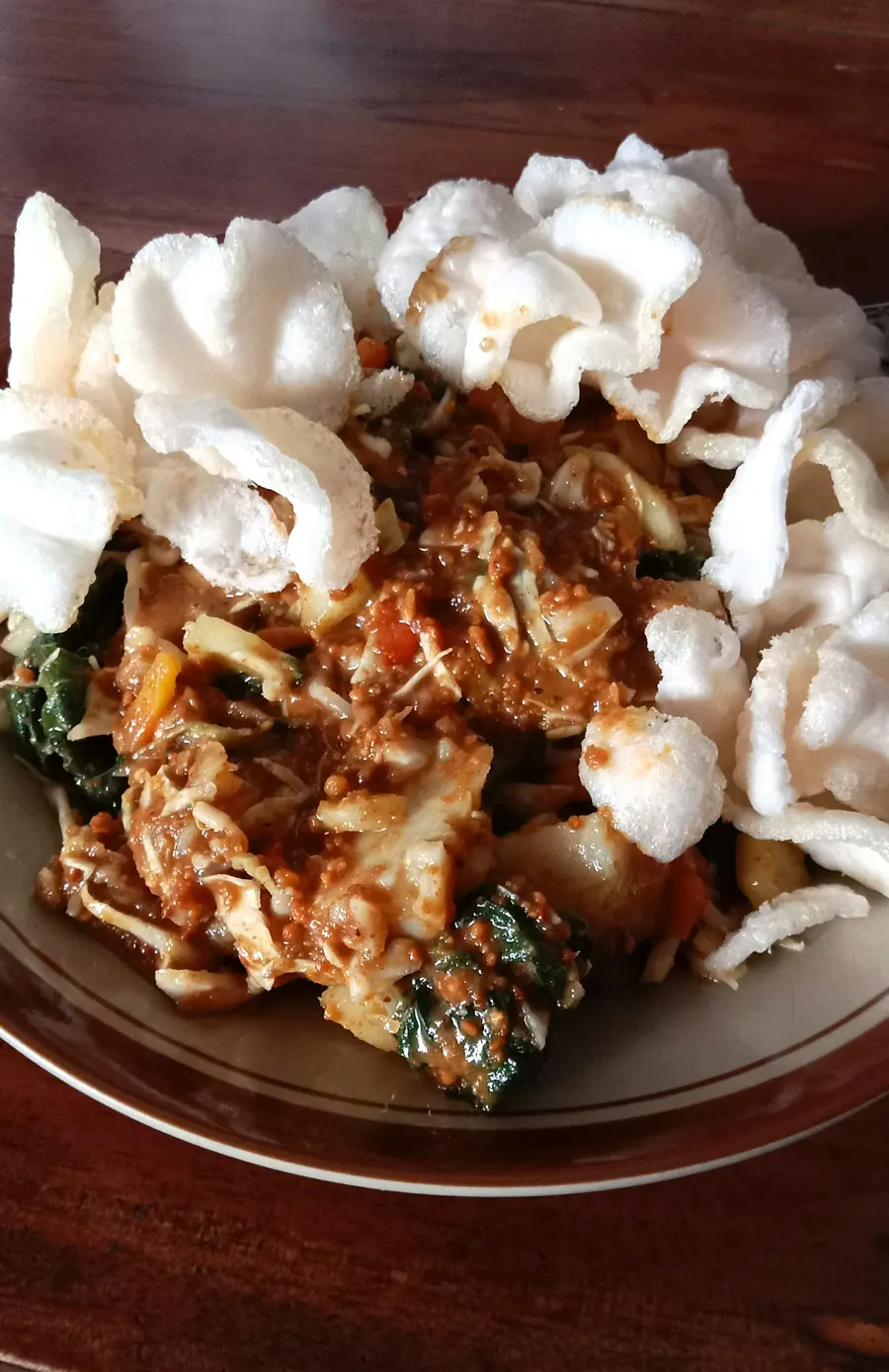
- Gado-Gado: A satisfying salad of blanched vegetables, boiled potatoes, hard-boiled eggs (optional), fried tofu, and tempeh, all brought together with a rich peanut sauce. It’s a complete meal, widely available from street-side stalls to high-end restaurants.
- Nasi Campur Sayur: The quintessential Balinese meal. Nasi (rice) is served with a variety of small vegetable portions. When ordering, specify “sayur saja” (vegetables only) to receive a plate piled with things like urap (steamed vegetables with spiced coconut), stir-fried water spinach (kangkung), and corn fritters (perkedel jagung).
- Tempeh Manis: A staple protein, tempeh (fermented soybean cake) is fried until crisp and glazed in a sweet soy sauce (kecap manis). It’s a savory, protein-rich addition to any meal.
- Jukut Ares: A traditional soup made from young banana stems, cooked in a coconut milk broth with Balinese spices. Ensure you confirm a tanpa terasi preparation.
Navigating the local warungs (small, family-owned eateries) becomes significantly easier with this knowledge. While a journey from Mumbai to Bali promises visual splendor, a little culinary preparation ensures the flavors are just as rewarding.
The Epicenter of Plant-Based Dining: Bali’s Dedicated Vegetarian Sanctuaries
Beyond adaptation, Bali has cultivated a vibrant and sophisticated scene for dedicated plant-based dining. Driven by the wellness-focused communities in towns like Ubud and Canggu, these establishments are destinations in their own right, offering innovative cuisine that attracts diners of all persuasions. They represent the modern face of Bali’s culinary evolution, a must-experience part of any trip from India. See also: see India to Bali Travel Guide’s About.
Moksa in Ubud: More than a restaurant, Moksa is a concept. Founded by Chef Made Runatha, it operates on a permaculture garden-to-table philosophy. Situated just outside central Ubud, its tranquil setting is part of the experience. The menu is a creative exploration of raw and lightly cooked plant-based dishes. The “Moksa Plant-based Sampler” (approx. $12 USD) offers a curated tour of their best creations, such as jackfruit rendang and cassava blinis. They also host a farmers’ market on Tuesdays and Saturdays from 10 AM to 2 PM.
Kynd Community in Seminyak: A bright, colorful cafe that has become an institution in the stylish Seminyak district. Known for its highly photogenic smoothie bowls (from $7 USD) and gourmet toasts, Kynd proves that plant-based food can be both healthful and indulgent. Their menu extends to more substantial fare, including the “Kynd Burger” and creative salads. It’s a popular spot, so expect a vibrant atmosphere, particularly during brunch hours. It’s an easy stop for anyone staying in the Kuta-Seminyak-Legian corridor.
The Shady Shack in Canggu: Capturing the laid-back, surf-centric vibe of Canggu, The Shady Shack is a casual eatery set in a breezy, rustic space overlooking rice paddies. The menu is entirely vegetarian, with a strong focus on wholesome, satisfying bowls. The “Nori Bowl” with seasoned tempeh and the “Halloumi Bowl” (both around $8 USD) are standout dishes. It’s the perfect place for a post-surf or post-yoga meal, reflecting the lifestyle of its neighborhood.
Alchemy in Ubud: As one of Bali’s pioneering raw vegan cafes, Alchemy has a devoted following. Its centerpiece is a sprawling, build-your-own salad bar with dozens of fresh toppings and house-made dressings (bowls start from $8 USD). They are also celebrated for their raw desserts, particularly their cheesecakes and chocolates, and a comprehensive menu of cold-pressed juices and smoothies. The attached health food store is a valuable resource for stocking your villa.
A Taste of Home: Finding Authentic Indian Vegetarian Cuisine in Bali
While exploring local flavors is essential, sometimes the comfort of familiar Indian cuisine is desired. Fortunately, the options for high-quality Indian food in Bali have expanded significantly, catering to the growing number of visitors from India. Whether you’ve just landed from a long India to Bali flight or are several days into your trip, these restaurants offer an authentic taste of home.
Queen’s Tandoor: With multiple locations in Kuta, Seminyak, Nusa Dua, and Ubud, Queen’s Tandoor is one of the most established and reliable Indian restaurant brands in Bali. They offer an extensive menu covering North Indian, tandoori, and South Indian specialties. Their Dal Makhani and Paneer Tikka are consistently well-executed. For travelers seeking specific dietary accommodations, they also provide Jain food options upon request. Main courses typically range from $7 to $15 USD.
Ganesha Ek Sanskriti: Positioned as a more refined dining experience, Ganesha Ek Sanskriti in Ubud and Kuta focuses on authentic recipes and a sophisticated ambiance. The kitchen, led by chefs from India, delivers dishes that are rich in flavor and true to their origins. Their Baingan Bharta and assorted bread basket are particularly noteworthy. It’s an excellent choice for a special occasion dinner, with main course prices between $10 and $18 USD.
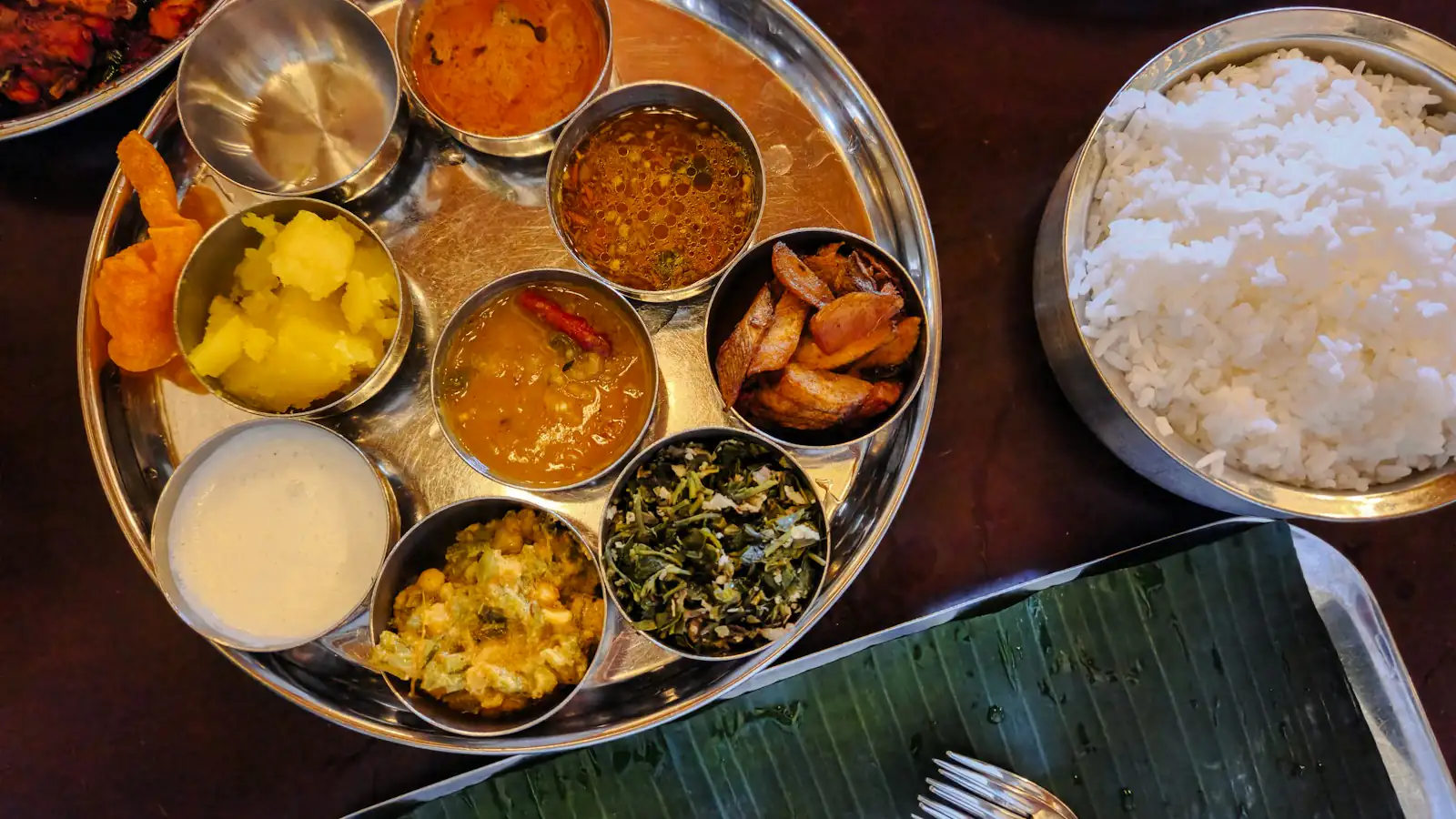
Atithi Indian Contemporary Resto & Bar: Located in Legian, Atithi has garnered a strong reputation for its vibrant flavors and modern presentation. The restaurant prides itself on using fresh ingredients and offers a comprehensive vegetarian menu that explicitly includes Jain preparations. Their thali options provide a well-rounded and valuable meal. Prices for main dishes are generally in the $6 to $12 USD range.
Comparison of Leading Indian Restaurants in Bali
| Restaurant | Locations | Price Range (Main Course) | Specialty |
|---|---|---|---|
| Queen’s Tandoor | Kuta, Seminyak, Nusa Dua, Ubud | $7 – $15 USD | Extensive menu, reliable quality, Jain food available |
| Ganesha Ek Sanskriti | Ubud, Kuta | $10 – $18 USD | Fine-dining atmosphere, authentic regional recipes |
| Atithi | Legian | $6 – $12 USD | Contemporary presentation, dedicated Jain menu section |
Beyond the Restaurant: Warungs, Cooking Schools, and Markets
To truly connect with Bali’s food culture, one must venture beyond the formal restaurant setting. The island’s culinary heart beats strongest in its local warungs, bustling markets, and interactive cooking classes. These experiences offer not just a meal, but an insight into the daily life and traditions of Bali.
Discovering Vegetarian-Friendly Warungs: A warung is a small, often family-run, eatery that serves local Indonesian and Balinese food. For vegetarians, the best type to seek out is a warung nasi campur. Here, you simply point to the pre-cooked dishes you want to accompany your rice. Look for establishments like Warung Sopa in Ubud or Warung Bu Mi in Canggu, which are well-known for their extensive and clearly-labeled vegetarian selections. It’s an affordable and authentic way to eat, with a full plate often costing less than $4 USD.
Immersive Cooking Classes: A cooking class is an excellent way to demystify Balinese ingredients. Many schools offer dedicated vegetarian programs. Paon Bali Cooking Class, located in a traditional village compound near Ubud, provides a hands-on experience starting with a local market tour. For approximately $35 USD per person, you learn to prepare a multi-course vegetarian Balinese meal from scratch, giving you skills to take home. It’s a highlight for many visitors planning their trip from India to Bali.
Exploring the Local Markets: A visit to a traditional market like the Badung Market in Denpasar or the Ubud Market (best visited in the early morning) is a sensory immersion. Here you will find an incredible range of tropical fruits—mangosteen, rambutan, salak (snake fruit), and numerous varieties of banana. It’s the perfect place to procure fresh produce and snacks for your stay.
Essential Indonesian Phrases for the Vegetarian Traveler
While English is widely spoken in tourist areas, knowing a few key phrases in Bahasa Indonesia can make your culinary explorations smoother and more successful, especially in local warungs or less-traveled areas. Staff will appreciate the effort, and it ensures clarity in your dietary needs.
- Saya vegetarian: I am a vegetarian.
- Tidak ada daging/ayam/ikan: No meat/chicken/fish.
- Tanpa terasi: Without shrimp paste (the most crucial phrase).
- Minta sayur saja: I’ll have vegetables only, please.
- Ini ada telur?: Does this have egg?
Logistics for Your Culinary Trip: India to Bali Flight and On-Ground Realities
A seamless culinary journey begins with smooth travel logistics. Planning your travel from India to Bali has become more straightforward with improved connectivity. Vistara now operates direct flights from Delhi to Bali, landing at Denpasar’s Ngurah Rai International Airport (DPS) in about 7.5 hours. This service is a significant convenience, eliminating lengthy layovers. Similarly, direct flights from Mumbai to Bali are also available, streamlining the journey from India’s financial hub. For travelers from Bengaluru, one-stop flights via hubs like Singapore (Singapore Airlines) or Kuala Lumpur (Malaysia Airlines) remain efficient options.
Visa and Currency: Indian passport holders are eligible for a Visa on Arrival (VoA). The process at DPS is efficient. The fee is IDR 500,000 per person (approximately $35 USD), payable in cash (IDR or major currencies like USD are accepted) or by card. This visa is valid for 30 days and can be extended once. For currency, the Indonesian Rupiah (IDR) is the local currency, with an exchange rate of roughly 1 INR to 200 IDR (subject to market fluctuation). It is advisable to exchange a small amount before your trip or at the airport for immediate needs, and then use authorized money changers in towns like Seminyak or Ubud for better rates on larger amounts.
Bali is not just accessible; it is exceptionally prepared to welcome vegetarian travelers. With a small amount of preparation and the right information, your trip to Bali from India can be a remarkable exploration of both culture and cuisine.
From the refined plant-based creations in Ubud to the comforting dal in Seminyak, Bali offers a complete and satisfying culinary narrative for the Indian vegetarian. The island’s embrace of wellness and its deep cultural roots create a unique environment where finding delicious, suitable food is not a challenge, but a delightful part of the discovery.
Take the Next Step
Ready to explore Bali’s vibrant vegetarian scene? The journey from planning your ideal India to Bali flight to reserving a table at a sought-after restaurant requires local expertise. Our Bali-based specialists can curate an itinerary that aligns with your travel style and culinary preferences. We manage the details, so you can focus on the experience.
Contact our travel design team to begin planning your bespoke Bali holiday.