
In this article
- Deconstructing the "Safety" Question: Beyond the Headlines
- A Shared Heritage: Cultural Resonance and a Warm Welcome
- The Luxury Enclave: Private Security and Vetted Experiences
- Navigating Health and Environmental Realities
- Considerations for Solo Female Travelers and Families
- Quick FAQ: Your Bali Safety Questions Answered
- A welcoming, majority-Hindu culture shares deep spiritual and epic traditions with India, creating an immediate sense of familiarity.
- High-end resorts and private villas in areas like Nusa Dua and Seminyak offer robust private security and curated, vetted experiences.
- While petty crime exists, it is largely concentrated in budget tourist areas and is easily avoided within the luxury travel circuit.
The warm, humid air greets you first, thick with the scent of frangipani blossoms and the subtle, sweet smoke of clove incense from a nearby canang sari offering. You are stepping out of a private, air-conditioned vehicle into the grand lobby of a cliffside resort in Uluwatu. The distant, rhythmic percussion of a gamelan ensemble drifts on the breeze. This is the sensory arrival that awaits the discerning traveler in Bali. Amidst this carefully orchestrated serenity, the question of safety can feel distant, almost academic. Yet, for any sophisticated traveler planning a significant journey, it remains a fundamental consideration. So, let us address it directly: Is a trip from india to bali a secure proposition? From our vantage point, the answer is a resounding yes, but the nuances are worth exploring.
Deconstructing the “Safety” Question: Beyond the Headlines
When travelers ask about safety in Bali, their concerns are often shaped by scattered headlines and forum anecdotes that paint an incomplete picture. The most common issues cited are scooter accidents and petty theft, such as bag-snatching. While these incidents do occur, it is crucial to contextualize them. The overwhelming majority of these problems are concentrated in the high-density, budget-traveler hubs of Kuta and parts of Legian. For the luxury traveler, whose itinerary is more likely to revolve around the polished enclaves of Nusa Dua, the sophisticated boutiques of Seminyak, or the tranquil wellness retreats of Ubud, these concerns are largely peripheral. The statistical reality is that Bali’s crime rate is remarkably low for a global tourism hotspot. According to the global database Numbeo, Denpasar’s Crime Index is just 36.65 (rated “Low”), a figure that compares favorably to many major world cities. For perspective, the same index rates Delhi at 60.10 (“High”). A source we trust within the Bali Hotels Association confirmed that severe incidents involving guests at five-star properties are “statistically insignificant.” The primary risks are often self-inflicted and avoidable—renting a scooter without a license or insurance, or leaving valuables unattended on a public beach. For the traveler moving between a private villa, a vetted driver, and a fine-dining establishment, the operational environment is one of profound security.
A Shared Heritage: Cultural Resonance and a Warm Welcome
One of the most powerful, yet often overlooked, elements of safety is the feeling of cultural comfort and acceptance. For Indian tourists, Bali offers a unique and profound connection. The island is the only Hindu-majority province in Indonesia, with over 86% of its 4.3 million residents practicing Balinese Hinduism. This is not a superficial connection; it runs deep into the island’s spiritual and social fabric. The epic tales of the Ramayana and Mahabharata, central to Indian culture, are vividly alive here, forming the narrative backbone of the mesmerizing Kecak fire dances and intricate temple carvings. This shared heritage creates an immediate, unspoken understanding. As you explore sites like the Pura Besakih temple complex, you will see familiar deities and symbols, creating a sense of being at home in a foreign land. This cultural affinity extends to practical considerations. The availability of high-quality vegetarian, and even Jain, cuisine is widespread in upscale establishments. Chefs at resorts like the Four Seasons at Sayan are well-versed in the nuances of Indian dietary preferences. This deep-rooted welcome, as detailed by Indonesia’s official tourism portal, indonesia.travel, ensures that Indian visitors are not just tolerated as tourists, but genuinely embraced as cultural cousins, a vital component of feeling truly secure and at ease during your travels.
The Luxury Enclave: Private Security and Vetted Experiences
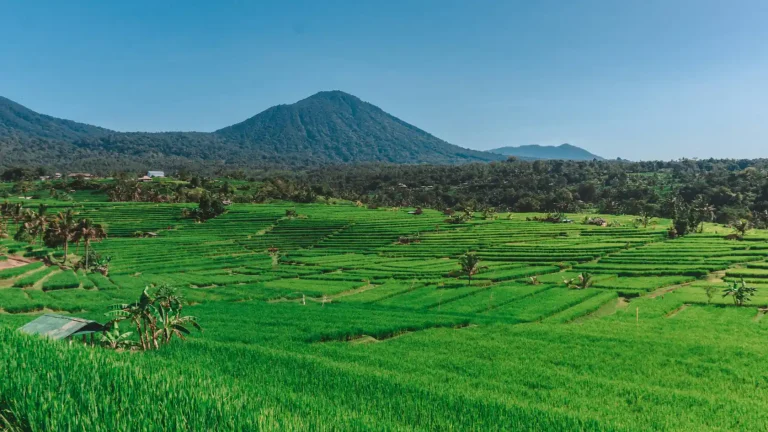
The infrastructure of luxury tourism in Bali is a fortress of comfort and security. From the moment you land at Ngurah Rai International Airport (DPS) and are met by a uniformed hotel representative, you enter a curated ecosystem designed to eliminate friction and risk. The sprawling, gated resort complexes in Nusa Dua, for example, feature their own security forces, controlled access points, and constant surveillance. Within these properties, you are in a controlled environment where every interaction is managed. Your private villa in Canggu or Seminyak comes not just with a pool, but with a dedicated team of staff, including 24/7 security personnel. This “luxury bubble” effectively insulates you from the common annoyances that can plague travelers in other destinations. Worried about money-changing scams? Your hotel concierge will arrange currency exchange at the official bank rate. Concerned about taxi-meter fraud? Your transportation is a pre-booked luxury vehicle with a trusted, English-speaking driver, which can be arranged for a full day for approximately IDR 1,200,000 (about ₹6,500). This level of service, a cornerstone of our India to Bali — Direct Flight Guide + Holiday Planning for Indians, transforms the travel experience. It is not about isolation, but about selective, safe engagement. Your curated excursions, whether to the UNESCO World Heritage-listed Jatiluwih rice terraces or a private cooking class in Ubud, are arranged through vetted operators who prioritize safety and quality above all else.
Navigating Health and Environmental Realities
A comprehensive view of safety must include health and the natural environment. The infamous “Bali Belly” (traveler’s diarrhea) is a valid concern, but one that is almost entirely mitigated by adhering to luxury travel standards. High-end resorts and restaurants use sophisticated water filtration systems and uphold impeccable food hygiene. The rule is simple: drink only bottled water, which is provided complimentary in vast quantities at any reputable hotel, and avoid street food from unregulated stalls. Should you require medical attention, Bali is home to international-standard facilities like the BIMC Hospital, with locations in both Kuta and Nusa Dua, offering a level of care that meets global expectations. The other major environmental factor is Bali’s position on the Pacific Ring of Fire, making it geologically active. While tremors are not uncommon, major volcanic events like the 2017-2019 eruptions of Mount Agung are rare and closely monitored by Indonesian authorities. All major resorts have well-documented and practiced emergency protocols. This is a manageable, monitored geological reality, not a daily threat to your vacation. On a smaller scale, wildlife, particularly the long-tailed macaques at temples like Uluwatu, can be assertive. However, traveling with a professional guide ensures you know the protocols: secure your belongings, avoid direct eye contact, and do not bring food into their territory. This transforms a potential nuisance into a memorable, and safe, wildlife encounter.
Considerations for Solo Female Travelers and Families
The question “is Bali safe for Indian tourists” often carries specific weight for different demographics, namely solo female travelers and families with children. For women traveling alone, Bali is widely regarded as one of the safest and most empowering destinations in Southeast Asia. The respectful nature of Balinese culture, combined with the secure environment of wellness retreats, yoga studios, and luxury hotels, creates a space where solo women can relax and explore with confidence. Our editor, Priya Sharma, recently spent a week on a solo trip in Ubud and reported feeling “more at ease walking alone in the evening there than in many parts of Europe.” For families, Bali’s appeal is immense. The culture is inherently child-friendly, and the luxury resort ecosystem is built to cater to them. World-class kids’ clubs, dedicated children’s pools, professional nanny services, and private villas that offer space and privacy make it an ideal choice. The security of a resort environment means parents can relax, knowing their children are in a safe, contained, and engaging space. This focus on family is a shared value that resonates strongly with Indian travelers, making interactions with local staff feel particularly warm and genuine. Planning a multi-generational trip is seamless, a topic we cover extensively in our holiday planning guide for Indians.
Quick FAQ: Your Bali Safety Questions Answered
Even with broad assurances, specific questions often remain. Here are direct answers to some of the most common queries we receive from our readers.
Is it safe to wear expensive jewelry or a luxury watch in Bali?
Within the confines of a five-star resort, at a fine-dining restaurant, or in your private transport, absolutely. It is part of the luxury experience. However, if you plan to visit a crowded public market like the Sukawati Art Market or walk on a busy public beach, exercising discretion is wise. Treat it as you would in any major international city—be aware of your surroundings.
What is the best way to avoid common tourist scams?
The luxury traveler’s itinerary naturally bypasses nearly all of these. You will not need to haggle with street-side money changers offering dubious rates; you will use a bank or your hotel’s front desk. You will not be flagging down taxis of unknown repute; your transport is pre-arranged. The most reliable public taxi service, if ever needed, is Bluebird Group, which can be booked via their app and insists on using the meter.
Are there any specific areas that should be avoided?
For the traveler seeking a peaceful and upscale experience, the nightlife-heavy streets of central Kuta after dark hold little appeal and are the primary locus of petty crime and public intoxication. Your curated itinerary centered on destinations like Uluwatu, Nusa Dua, Seminyak, and Ubud will keep you far from these areas. There are no “no-go” zones in a dangerous sense, merely areas that do not align with a luxury travel ethos.
How serious is the concern about drink spiking?
This is a risk primarily associated with backpacker bars and nightclubs in Kuta and Gili Trawangan (a nearby island). It is not a documented issue at high-end hotel bars, beach clubs like Potato Head or Finns, or reputable restaurants. As always, never leave your drink unattended, but within the vetted establishments frequented by discerning travelers, the risk is exceptionally low.
Ultimately, Bali’s reputation as an island paradise is well-earned, not just for its physical beauty but for the pervasive sense of peace and security it offers. For the Indian traveler, this is amplified by a deep cultural resonance and a world-class hospitality industry that prioritizes guest safety above all else. The island is not free of problems, but the risks are well-understood, geographically concentrated, and almost entirely avoidable with prudent planning and by engaging with the island’s superb luxury infrastructure. It is a destination that allows you to exhale completely. For those ready to move from planning to experiencing this unique blend of culture and comfort, our complete guide on travel from india to bali offers curated itineraries and expert advice to ensure your journey is as seamless as it is secure.