
In this article
- The Luxury Accommodation Landscape: Private Villas vs. Grand Resorts
- Culinary Journeys: Refined Spice vs. Global Gastronomy
- Cultural & Spiritual Immersion: A Tale of Two Philosophies
- Activities & Leisure: Wellness Retreats vs. High-Octane Adventure
- Logistics & Connectivity for the Indian Traveller
- Quick FAQ for the Discerning Traveller
- Accommodation: Bali excels in intimate, expansive private pool villas, while Thailand is the domain of grand, full-service resorts.
- Culture: Bali’s unique Hindu culture is woven into the fabric of daily life, making it highly accessible. Thailand’s cultural sites are grander but more geographically concentrated.
- Pace: Bali encourages a slower pace focused on wellness and rejuvenation. Thailand offers a dynamic mix of high-energy adventure, nightlife, and urban exploration.
The humid air, thick with the scent of frangipani and clove incense, is the first thing you notice. A gentle gamelan melody drifts from a nearby courtyard, a sound that feels both ancient and immediate. As you contemplate your next escape from the familiar thrum of Delhi or Mumbai, the perennial question for the discerning traveller arises: the soulful, artistic lanes of Bali or the vibrant, multifaceted kingdom of Thailand? As editors who have spent decades nuances of luxury travel in Southeast Asia, we’ve seen this debate play out many times. The answer is not about which is superior, but which is superior for you. This is not a simple choice between two destinations; it’s a choice between two distinct philosophies of travel.
The Luxury Accommodation Landscape: Private Villas vs. Grand Resorts
Your choice of accommodation fundamentally shapes your holiday, and here lies the most significant divergence between Bali and Thailand. Bali’s luxury identity is inextricably linked to its private villa culture. In enclaves like Uluwatu, with its dramatic cliff-top settings, or Seminyak, the chic coastal hub, the ultimate indulgence is not a hotel suite but a sprawling, privately staffed villa. For a budget of approximately ₹50,000-₹80,000 per night, one can secure a 3,000-square-foot, two-bedroom villa with a private pool, a dedicated chef, and a butler. This level of personalized space is the island’s core value proposition. Even premier resorts like the Four Seasons at Sayan or The Ritz-Carlton, Mandapa, are famed for their villa-centric layouts. The experience is one of curated privacy and profound quiet, allowing you to immerse yourself in your own exclusive corner of the island. There are an estimated 4,000 such luxury villas available for rent across the island, this unique hospitality model.
Thailand, on the other hand, is a titan of the grand, five-star resort. The kingdom perfected this model, and global brands have established their flagship Asian properties on its shores. In Phuket, Koh Samui, or Krabi, the landscape is dominated by iconic names like Amanpuri—the original Aman resort that opened in 1988—and Banyan Tree. These are not merely hotels but expansive estates with multiple swimming pools, a half-dozen world-class restaurants, award-winning spas, and private beaches. The luxury here is in the scale, the seamless service infrastructure, and the sheer volume of amenities at your fingertips. While private villas exist, they are typically part of a larger resort complex. A top-tier sea-view suite in a Phuket resort might cost ₹60,000 per night but offer 800 square feet of space—a stark contrast to the spatial extravagance of a comparable Balinese villa. The choice is clear: do you prefer a private, self-contained universe or a vibrant, amenity-rich campus?
Culinary Journeys: Refined Spice vs. Global Gastronomy
The culinary narratives of Bali and Thailand cater to different palates, though both are exceptional. Bali’s high-end dining scene, particularly around Ubud, is a masterclass in the farm-to-table philosophy. It’s a movement born from the island’s deep connection to its fertile land. Restaurants like Mozaic Gastronomique and Locavore (which set a standard for years) championed the use of hyper-local Indonesian ingredients in sophisticated, modern European formats. The focus is on refinement, wellness, and a certain culinary purity. You’ll find world-class vegan and raw food establishments sitting comfortably alongside restaurants serving exquisite ceremonial dishes like Bebek Betutu (slow-cooked duck). The luxury experience is often intimate—a tasting menu for 20 guests, a private cooking class overlooking the rice paddies. It’s a thoughtful, ingredient-driven journey that mirrors the island’s spiritual character.
Thailand, and specifically Bangkok, operates on an entirely different plane. It is a certified global capital of gastronomy. The city is home to more than 35 Michelin-starred restaurants, a figure that dwarfs Bali’s more modest fine-dining scene. Here, the world’s most innovative chefs, from Gaggan Anand to Sorn’s Supaksorn Jongsiri, deconstruct and elevate Thai cuisine to an art form. The luxury is in the access to this staggering diversity and international acclaim. One night you can be savouring a 22-course experimental menu, the next, enjoying perfectly executed Royal Thai cuisine at a heritage property on the Chao Phraya River. The street food culture is so profound that even vendors like Jay Fai have earned a Michelin star. For the Indian traveller accustomed to a diverse and complex flavour palette, Thailand offers an exhilarating and almost limitless culinary adventure, from the fiery salads of Isaan to the rich, coconut-based curries of the south.
Cultural & Spiritual Immersion: A Tale of Two Philosophies
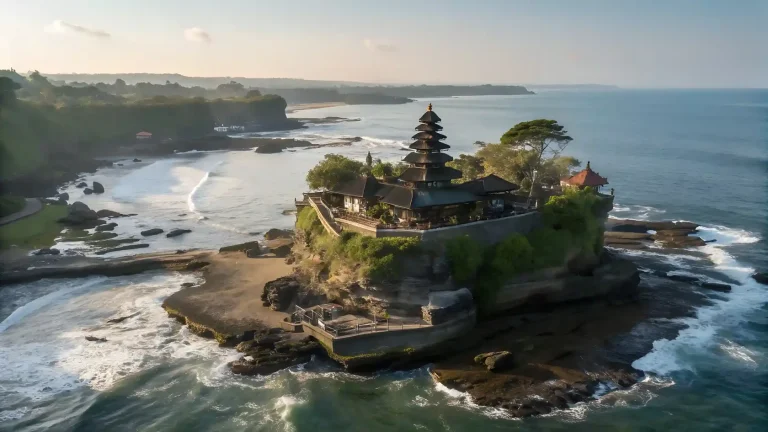
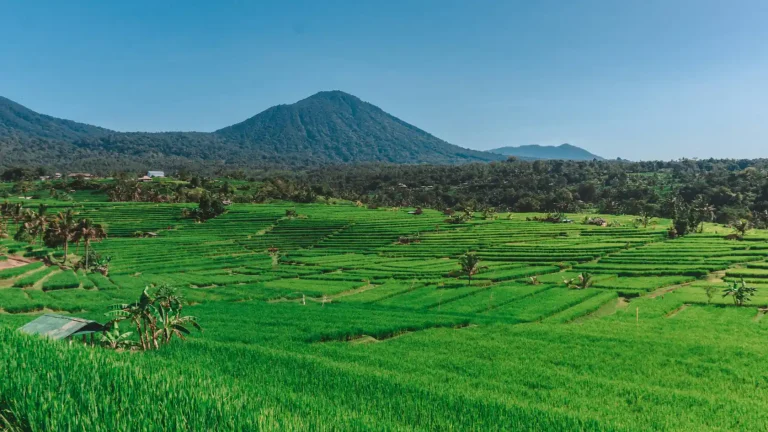
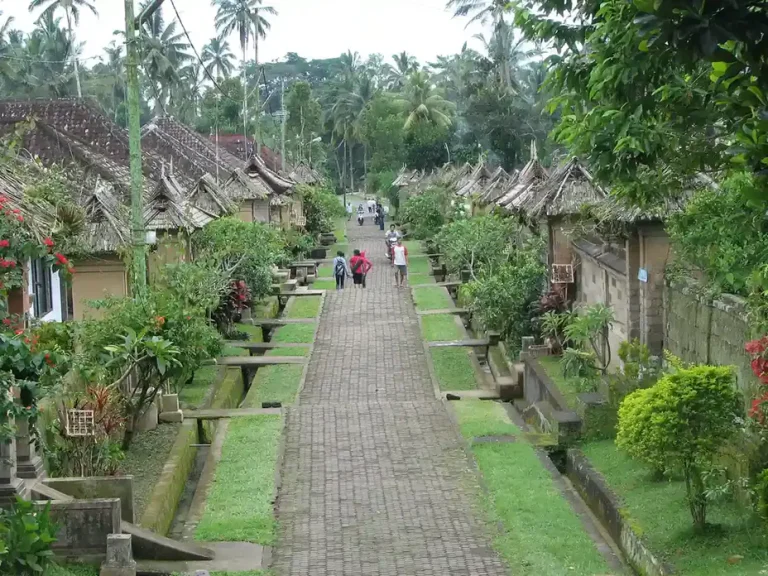
For many Indian travellers, a key part of any journey is the cultural connection. Here, Bali’s proposition is singular. The island practices a unique form of Hinduism, known as Agama Hindu Dharma, which is a syncretic blend of Shaivism, Buddhism, and local animist beliefs. This isn’t a religion confined to temples; it is the island’s operating system. The daily placement of canang sari (small palm-leaf offerings) on every doorstep, the sound of village gamelan practice, the elaborate processions that can spontaneously close a main road—culture here is a living, breathing entity. It is impossible to visit Bali and not be touched by this pervasive spirituality. The island’s cultural heart is perhaps best exemplified by its ancient water management system, the Subak system, a UNESCO World Heritage site that represents the philosophical concept of Tri Hita Karana—harmony between the divine, humanity, and nature. This accessibility makes for a profoundly enriching experience that requires no special effort to observe.
Thailand’s culture is no less rich, but it is experienced differently. As a nation of nearly 70 million people, its cultural touchstones are grander and more monumental. The dominant faith is Theravada Buddhism, and its expression is found in the country’s over 40,000 temples. A visit to the dazzling Grand Palace in Bangkok or the ancient, haunting ruins of Ayutthaya is an essential part of the Thai experience. These are powerful, historically significant sites that command awe. However, outside of these major centres and specific festivals, the day-to-day spiritual rhythm can feel less visible to the casual luxury traveller than it does in Bali. The cultural immersion in Thailand often feels more like an excursion—a deliberate visit to a site—whereas in Bali, it is the very air you breathe. The journey from India to Bali is often undertaken specifically for this unique spiritual resonance.
Activities & Leisure: Wellness Retreats vs. High-Octane Adventure
How you wish to spend your days is another critical factor in the “bali vs thailand for indian tourists” debate. Bali has firmly established itself as a global nexus for wellness and rejuvenation. Ubud is the epicentre, with world-renowned yoga centres like The Yoga Barn and countless retreats offering everything from silent meditation to traditional Balinese healing. The leisure pace is generally slower, focused on self-improvement and relaxation. Beyond wellness, the island offers a sophisticated surf culture, particularly in areas like Canggu and Uluwatu, and a circuit of high-design beach clubs like Potato Head Beach Club and Finns, which offer a more relaxed alternative to their high-energy Thai counterparts. A typical luxury day might involve a private yoga session, a spa treatment using local botanicals, and sunset cocktails overlooking the Indian Ocean.
Thailand offers a much broader and more energetic menu of activities. For marine enthusiasts, the diving and snorkelling are world-class. The Andaman Sea, with the Similan and Surin Islands, offers underwater visibility exceeding 30 metres and a rich biodiversity that Bali’s waters, while good for surfing, cannot match. The country is a premier yachting destination, with hundreds of islands in Phang Nga Bay and the Gulf of Thailand to explore. For those seeking urban stimulation, Bangkok is a megacity of endless possibilities, from gallery hopping and bespoke tailoring to exploring a vibrant nightlife scene that operates at a scale Bali simply doesn’t possess. The luxury shopping experience in malls like Siam Paragon is a significant draw for many Indian visitors, offering a retail experience comparable to Singapore or Dubai. Thailand caters to the traveller who wants to do it all—relax on a beach, dive a world-class reef, shop for luxury brands, and dine at a top-50 restaurant, all in one trip.
Logistics & Connectivity for the Indian Traveller
Practical considerations of travel time and accessibility are paramount. The launch of direct flights has been a game-changer. Vistara now operates a direct flight from Delhi to Denpasar (Bali), a journey of approximately 7.5 hours. This streamlined connection makes the entire India to Bali proposition far more attractive. For Thailand, connectivity has long been a strength. Multiple carriers offer direct flights from major Indian metros like Mumbai, Delhi, and Bengaluru to Bangkok (a 4-5 hour flight) and Phuket. This frequency often translates to more competitive airfares. visas, both destinations are relatively straightforward. Indonesia offers an e-Visa on Arrival (e-VoA) for Indian passport holders, a process that can be completed online before departure, as detailed by the official tourism board, Wonderful Indonesia. Thailand frequently offers visa-on-arrival or visa-exemption schemes, so it’s crucial to check the latest regulations. On the ground, luxury travel in Bali almost always involves a private car and driver, as attractions are spread out and public transport is limited. In Bangkok, the efficient BTS Skytrain offers a convenient way to bypass the city’s notorious traffic, supplemented by readily available luxury ride-sharing services.
Quick FAQ for the Discerning Traveller
Which is better for a luxury honeymoon?
For absolute privacy, romantic dinners in your own villa, and a focus on intimate experiences, Bali is . For a couple that enjoys a mix of beach relaxation, fine dining, vibrant nightlife, and perhaps some island-hopping adventure, Thailand offers more variety.
How does the availability of high-end vegetarian or Jain food compare?
Both destinations cater exceptionally well to vegetarian travellers at the luxury level. Bali, with its deep-rooted wellness culture, has an edge, with many high-end restaurants in Ubud offering dedicated plant-based tasting menus. In Thailand, luxury hotels are well-versed in catering to specific dietary needs, including Jain requirements, but you must be explicit about excluding fish sauce and shrimp paste, which are common in many dishes.
I love shopping. Which destination is better?
This is an easy one: Thailand. Bangkok is a world-class shopping city. Malls like Siam Paragon, CentralWorld, and EmQuartier house every major international luxury brand. Bali’s shopping scene is more focused on artisanal goods, bespoke local jewellery, high-quality homewares, and independent fashion boutiques in areas like Seminyak.
What is the primary language, and is English widely spoken in luxury settings?
The official language in Bali is Indonesian (Bahasa Indonesia), alongside the local Balinese language. In Thailand, it is Thai. However, in all major tourist areas and within any luxury hotel, resort, or high-end restaurant in both destinations, English is spoken fluently by staff.
Ultimately, the choice between Bali and Thailand is a reflection of your personal travel ethos. It is not a question of which destination has better hotels or food in an absolute sense, but which environment will better serve your purpose for travel. Are you seeking a sanctuary for quiet contemplation, spiritual connection, and bespoke privacy? Or are you looking for a dynamic stage for adventure, gastronomic discovery, and cosmopolitan energy? For the traveller whose heart is set on the former—a journey inward as much as outward—the path is clear. To begin crafting that perfect, restorative escape, our detailed guides and planning resources for travel from India to Bali are the ideal starting point.