
The Definitive Guide: Best Months for Travel from India to Bali

The first impression of Bali, arriving from the kinetic energy of Delhi or Mumbai, is not one of quietude but of a different, more fragrant intensity. The air at Denpasar’s Ngurah Rai International Airport (DPS) is thick with the scent of frangipani and clove-infused kretek cigarettes. It’s a sensory shift that signals your arrival. Yet, the most critical decision for your trip from India to Bali was made months ago, not in choosing a villa in Ubud or a surf school in Canggu, but in selecting the time of year to travel. The island operates on a distinct dual-weather system, a tropical rhythm of sun and rain that dictates everything from hotel occupancy to the clarity of its celebrated turquoise waters. For the Indian traveler, accustomed to the dramatic arc of the subcontinent’s monsoon, understanding Bali’s dry versus wet season is the key to a well-executed Indonesian sojourn.
The central question is not merely about avoiding rain. It’s about aligning your expectations with Bali’s reality. Are you seeking the vibrant, sun-drenched energy of high season, with its bustling beach clubs and fully booked restaurants? Or does the prospect of a greener, more contemplative Bali, with dramatic afternoon showers and lower price points, hold more appeal? This guide deconstructs the nuances of Bali’s climate, providing a strategic framework for planning your travel from India, covering direct flights, visa logistics, and crucial on-the-ground intelligence. See also: India to Bali Travel Guide About.
Bali’s Two Seasons: A Climatological Primer for the Indian Traveler
Unlike India’s complex six-season calendar, Bali’s climate is a straightforward duality: a dry season and a wet season. This rhythm is governed by the southeast and northwest monsoon winds. For travelers from India, the concept of a “wet season” might evoke images of the relentless, weeks-long downpours of a Mumbai or Kerala monsoon. This is a critical misconception. Bali’s wet season is characterized by high humidity and short, intense, and often predictable, tropical rainstorms, usually lasting for a few hours in the afternoon or evening. The sun frequently makes an appearance on the same day. See also: Indian Visa Bali.
The dry season, running roughly from April to October, is when the southeast winds bring dry air from the Australian continent. This period sees minimal rainfall, lower humidity, and ample sunshine. Average temperatures hover between 26°C and 31°C. This is peak tourist season, particularly in July and August, coinciding with European summer holidays. In Denpasar, July typically sees only 40-50mm of rainfall, making it ideal for outdoor pursuits.
Conversely, the wet season, from November to March, is shaped by the moisture-laden northwest winds. January is the wettest month, with Denpasar recording an average of over 350mm of rainfall. Humidity levels can exceed 85%, and while the sun is less constant, the landscape transforms into a vibrant, almost impossibly lush green. This period offers a different kind of Bali—less crowded and, for many, more atmospheric. The challenge lies not in constant rain, but in planning activities around the afternoon showers.
The Case for the Dry Season (April to October): Sun, Surf, and Soaring Prices
For many first-time visitors from India, the dry season represents the quintessential Bali experience. The primary advantage is the weather—predictably sunny days are the norm, creating ideal conditions for the island’s signature activities. This is the time for diving and snorkeling expeditions to Menjangan Island or the Blue Lagoon near Padangbai, where water visibility can exceed 30 meters. It’s also the peak season for surfing, with legendary breaks in Uluwatu and Padang Padang firing consistently. See also: India to Bali Travel Guide Home.
This period is also when the island’s cultural calendar is most active. The Bali Arts Festival, a month-long celebration of Balinese dance, music, and craft, typically takes place from June to July in Denpasar. The social scene is at its zenith; beach clubs like Potato Head in Seminyak or Finns in Canggu are at full capacity, and securing a reservation at sought-after restaurants such as Metis or Locavore requires advance planning. See also: explore Contact.
However, these advantages come at a premium. Accommodation rates can increase by 30-50% compared to the low season. A private pool villa in Seminyak that might cost USD 200 per night in February could easily command USD 350-500 in August. The popular central areas of Ubud, Seminyak, and Kuta experience significant traffic congestion. For travelers seeking solitude, the dry season can feel overwhelming unless they venture to the island’s less-trafficked northern or eastern coasts.
- Pros: Consistent sunshine, low humidity, ideal conditions for water sports and trekking, vibrant social scene, major cultural festivals.
- Cons: Highest prices for flights and accommodation, crowded popular areas, significant traffic.
- Best for: First-time visitors, families with school holidays, travelers prioritizing beach time and outdoor activities.
Navigating the Wet Season (November to March): A Quieter, Greener Bali
The wet season offers a compelling alternative for the discerning traveler. The most immediate benefit is the reduction in crowds and cost. Flight prices, particularly on one-stop routes from Mumbai or Bengaluru, can be substantially lower. Accommodation deals are plentiful, with luxury properties often offering significant discounts or value-added packages. That USD 350 villa might now be available for USD 180-220.
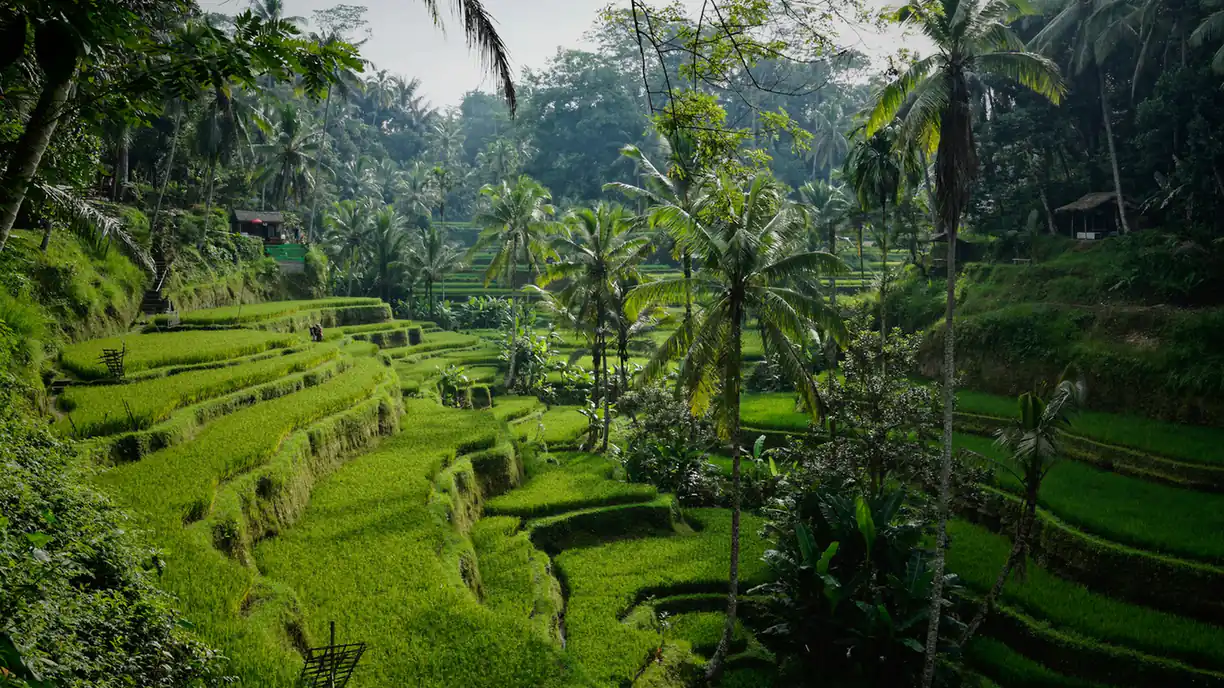
The aesthetic of the island shifts dramatically. The rice paddies around Ubud and Jatiluwih take on a brilliant emerald hue, and the island’s numerous waterfalls, such as Tegenungan or Sekumpul, are at their most powerful and dramatic. The afternoon rain, rather than being a hindrance, can become a welcome ritual—a time to retreat for a Balinese massage, a cooking class, or to simply read a book on a covered veranda listening to the downpour. According to Jakarta-based travel analyst Budi Santoso, “The wet season is when Bali feels most authentic. The rhythm slows down, and the focus shifts from the beaches to the island’s deep cultural and spiritual heart.”
A significant cultural event, Nyepi, or the Balinese Day of Silence, falls during the wet season (typically in March, for example, on March 11, 2024, and March 29, 2025). This unique 24-hour period of mandatory silence, where the entire island, including the airport, shuts down, offers a profound cultural immersion unavailable at any other time. For vegetarians, the wet season also brings an abundance of tropical fruits like mangosteen and rambutan. The main drawbacks are the high humidity and the potential for rain to disrupt planned outdoor activities, particularly beach days or volcano treks.
- Pros: Lower prices, fewer tourists, exceptionally lush and green landscapes, powerful waterfalls, unique cultural events like Nyepi.
- Cons: High humidity, daily rain showers (usually in the afternoon), some outdoor activities may be impacted, rougher seas on some coasts.
- Best for: Budget-conscious travelers, photographers, cultural enthusiasts, and those seeking a more tranquil and contemplative experience.
The ‘Shoulder’ Months: Bali’s Sweet Spot for Value and Weather
For many, the ideal time for a trip from India to Bali lies in the shoulder months: April, May, September, and October. These periods offer the best of both worlds. The intense rains of the wet season have largely subsided, but the peak-season crowds (and prices) of July and August have yet to arrive or have already departed. The landscape remains green and vibrant from the recent rains, but the days are predominantly sunny and less humid than in the peak wet season.
During these months, you can enjoy excellent weather for exploring the entire island while benefiting from more competitive pricing for flights and hotels. Airlines often run promotions for travel during these periods. It’s a strategic choice that allows for flexibility without compromising on the core Bali experience. You can secure reservations at top restaurants with less notice and explore popular sites like Tanah Lot or the Uluwatu Temple with more room to breathe. The sea is generally calm, making it a great time for diving and island hopping to Nusa Lembongan or the Gili Islands (technically part of Lombok, but a popular side trip).
| Factor | Dry Season (Jun-Aug) | Wet Season (Dec-Feb) | Shoulder Season (Apr-May, Sep-Oct) |
|---|---|---|---|
| Weather | Sunny, low humidity | Humid, afternoon showers | Mostly sunny, less humid |
| Crowds | Very High | Low | Moderate |
| Villa Price (Seminyak) | USD 300 – 500+ / night | USD 150 – 250 / night | USD 200 – 350 / night |
| Landscape | Green, but drier | Extremely lush, vibrant green | Lush and green |
Direct Flights from India to Bali: Your Gateway to Denpasar (DPS)
The journey from India to Bali has become significantly more accessible. The primary gateway is Denpasar’s Ngurah Rai International Airport (DPS). For travelers prioritizing convenience, the direct flight is the superior option. Vistara operates a daily direct service from Delhi (DEL) to Denpasar (DPS), a game-changer for the Indian market. This flight (UK145) typically has a duration of approximately 7 hours and 30 minutes, eliminating the hassle of layovers.
For travelers originating from other major hubs like Mumbai (BOM) and Bengaluru (BLR), one-stop flights remain the most common and often cost-effective choice. Reputable carriers offering efficient connections include:
- Singapore Airlines: A premium option with a seamless transit through Singapore’s Changi Airport (SIN).
- Malaysia Airlines: A reliable choice with a connection through Kuala Lumpur (KUL).
- Thai Airways: Connects through Bangkok (BKK), offering another quality option.
Flight costs fluctuate based on the season. For a direct Delhi to Bali round-trip flight, expect to pay between INR 40,000 to INR 65,000 (approximately USD 480-780) during the shoulder or wet seasons. During the peak dry season (June-August), these prices can escalate to INR 75,000 (USD 900) or more. Booking at least 3-4 months in advance is highly recommended to secure competitive fares for any india bali flight.
Essential Logistics for Indian Citizens: Visa, Currency, and Cuisine
A smooth trip from bali from india requires attention to a few key logistical details. Fortunately, Indonesia has a straightforward process for Indian travelers.
Visa on Arrival (VoA): Indian passport holders are eligible for a Visa on Arrival. This can be obtained at the dedicated counter at Ngurah Rai International Airport. The cost is IDR 500,000 (approximately USD 32-35, subject to exchange rates), payable in major currencies or by card. The VoA is valid for 30 days and can be extended once for another 30 days at an immigration office in Bali.
Currency (INR to IDR): The Indonesian Rupiah (IDR) is a currency of large denominations. As of late 2023, 1 Indian Rupee (INR) is approximately 200 IDR. It’s advisable to carry some USD for the VoA and initial expenses, then withdraw IDR from ATMs at the airport or use a licensed money changer. Avoid changing large amounts of INR in Bali as the exchange rates are often unfavorable. A multi-currency forex card is a practical solution. For context on costs: a local meal at a warung might cost IDR 50,000 (≈ INR 250), a Bintang beer IDR 30,000 (≈ INR 150), and a mid-range dinner for two in Seminyak could be around IDR 600,000 (≈ INR 3,000).
Vegetarian Cuisine: Bali is exceptionally accommodating to vegetarian and vegan diets, a significant advantage for many Indian travelers. The influence of Hinduism means vegetarian options are widely understood. Key phrases are “tanpa daging” (without meat) and “tanpa ayam/ikan” (without chicken/fish). Ubud is a hub for plant-based cuisine, with celebrated restaurants like Zest and Moksa. Even in Seminyak and Canggu, you’ll find dedicated vegan cafes like Kynd Community and I Am Vegan Babe. Most hotels offer extensive vegetarian selections at breakfast.
Final Verdict and Actionable Itinerary Starters
The “best” time to travel from India to Bali is entirely subjective, defined by your personal priorities of budget, weather tolerance, and desired experience.
- For Sun-Seekers and First-Timers: The dry season, specifically the shoulder months of May, June, and September, offers the most reliable weather without the extreme crowds of July and August.
- For Budget-Conscious and Cultural Explorers: The wet season months of January and February provide exceptional value and a chance to see a more serene, verdant Bali. The unique experience of Nyepi in March is a powerful draw for those seeking cultural immersion.
- The Optimal Balance: October arguably presents the best combination. The rains are yet to begin in earnest, the high-season crowds are gone, prices are reasonable, and the island is still lush from the preceding months.
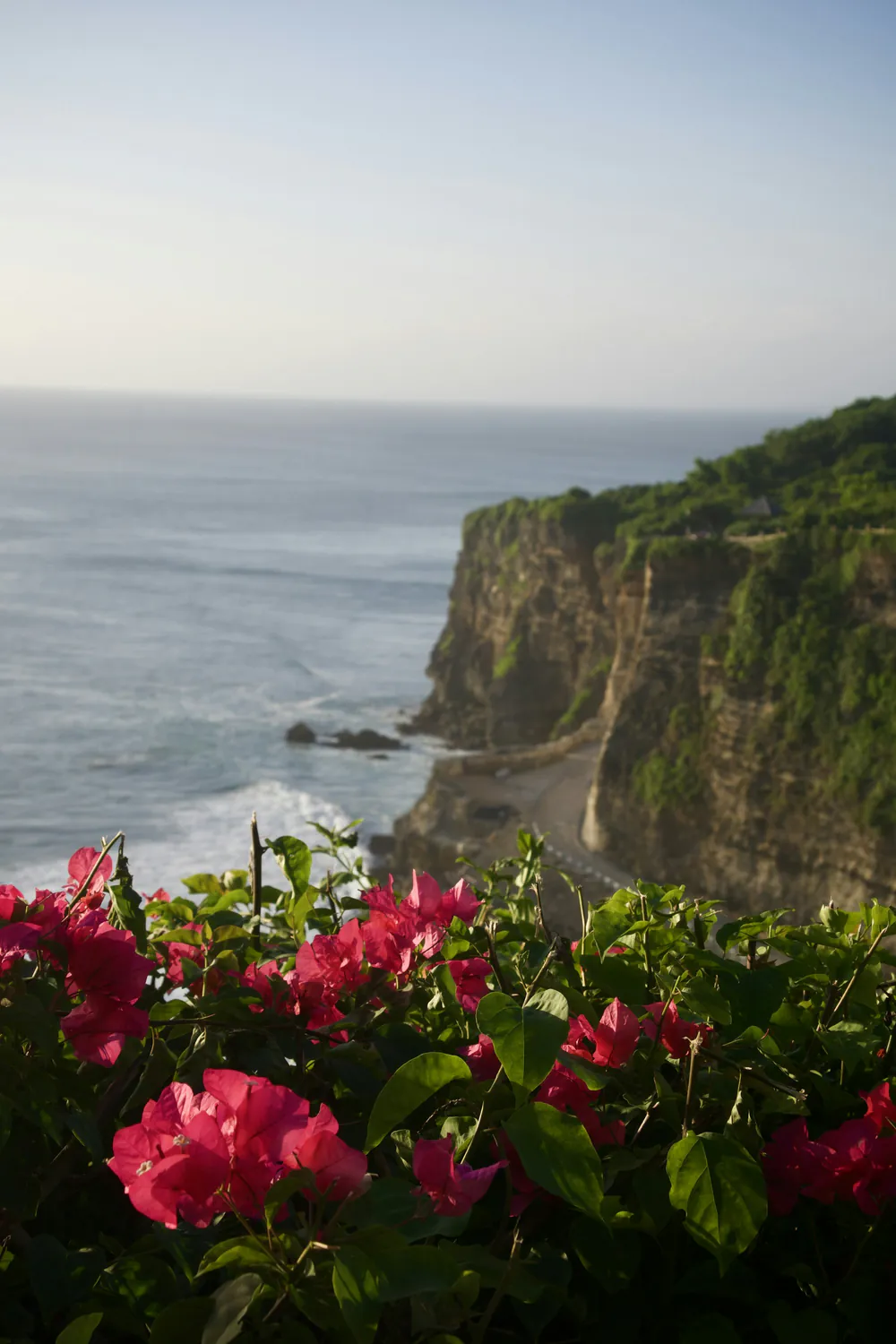
Your next steps should be a clear, sequential process. First, define your travel window based on the information above. Second, set up price alerts for flights from Delhi, Mumbai, or Bengaluru to Denpasar (DPS). Third, begin researching accommodation in your preferred region—Ubud for culture and wellness, Seminyak for upscale dining and boutiques, or Uluwatu for dramatic cliffs and surf culture. By aligning your travel dates with your intentions, you can construct a Bali itinerary that is not just a holiday, but a precisely executed travel experience.
Plan Your Bespoke Bali Itinerary
For expert consultation and personalized travel planning from India to Bali, contact our specialists. We provide guidance on flights, accommodation, and unique local experiences.
Brand: India to Bali Travel Guide
Phone: +62 811-3941-4563
Email: bd@juaraholding.com
Office: Jalan Sunset Road No. 88, Kuta, Badung, Bali 80361, Indonesia.