In this article
- Decoding Bali’s Climate: The Dry Season Reigns Supreme (April – October)
- The Shoulder Seasons: A Savvy Traveler’s Secret (April-May & September-October)
- Wet Season: The 'Green Season' Alternative (November – March)
- Aligning with Indian Holidays: Diwali, Summer Breaks, and Long Weekends
- Beyond Weather: Timing Your Trip for Bali’s Cultural Heartbeat
- Quick FAQ: Your Bali Timing Questions Answered
- You’ll experience minimal rainfall, low humidity, and an average temperature of 27°C, ideal for beach clubs and outdoor exploration.
- It is the peak operational season for all high-end resorts, private yacht charters, and exclusive restaurants.
- This window aligns well with Indian summer holidays, but requires booking flights and villas 4-6 months in advance to secure availability.
The scent of frangipani blossoms, mingling with the sweet, spicy aroma of clove incense, drifts on the warm air. You hear the faint, rhythmic chime of a distant gamelan orchestra as you step from the cool confines of Ngurah Rai International Airport into the gentle embrace of Balinese humidity. This sensory welcome is a constant, a signature of the island. But the Bali you experience—the clarity of the sky over Uluwatu’s cliffs, the energy in Seminyak’s streets, the serenity of Ubud’s rice paddies—is entirely dictated by *when* you choose to arrive. For the discerning traveller from Mumbai, Delhi, or Bangalore, timing is not just a detail; it is the cornerstone of a perfectly executed journey from india to bali.
Decoding Bali’s Climate: The Dry Season Reigns Supreme (April – October)
Bali, located just eight degrees south of the equator, operates on a simple two-season rhythm: wet and dry. For those seeking the quintessential, picture-postcard experience, the dry season, running from April through October, is unequivocally the time to travel. This is when the island puts on its finest display. The skies are a brilliant, almost-unbroken blue, humidity drops to a comfortable 60-65%, and a gentle southern breeze keeps the tropical heat at a pleasant median of 27-28°C. According to data from Indonesia’s Meteorology, Climatology, and Geophysics Agency (BMKG), monthly rainfall during these months often dips below 50mm, a stark contrast to the 300mm+ seen in January. This translates to nearly 10 hours of sunshine per day, perfect for making the most of your private villa’s infinity pool or chartering a boat to the Nusa Islands.
From a luxury travel perspective, this season is when Bali’s world-class infrastructure truly shines. The island’s famed beach clubs, from Potato Head in Seminyak to the cliff-hanging Sundays Beach Club in Uluwatu, are in full swing, with uninterrupted sunset views. Alfresco dining at internationally acclaimed restaurants like Sardine or Metis becomes a nightly affair, not a gamble against the weather. “Our guests from India, particularly those escaping the pre-monsoon heat or the heavy monsoon itself, find June and July to be paradise,” explains Nicolas L., the General Manager at a top-tier resort in Nusa Dua. “The conditions are perfect for everything from early morning golf to late-night cocktails by the sea. The entire island feels alive and accessible.” For water enthusiasts, diving and snorkelling conditions are optimal, with visibility often exceeding 25 meters around sites like Menjangan Island. Planning your India to Bali holiday around this period ensures you experience the island at its most vibrant and comfortable.
The Shoulder Seasons: A Savvy Traveler’s Secret (April-May & September-October)
While the peak months of July and August represent the dry season’s zenith, the savvy traveller often looks to the shoulder months for the perfect balance of superb weather, thinner crowds, and better value. The periods of April-May and September-October offer a strategic advantage. You are still firmly within the dry season, but you avoid the peak influx of European and Australian holidaymakers, which also coincides with Indian school summer breaks. The result is a more relaxed atmosphere, particularly in popular areas like Canggu and Ubud. You’ll find it easier to secure a last-minute reservation at a sought-after restaurant or book a private yoga instructor without weeks of advance notice. This is the time I personally recommend to friends and clients seeking a more serene luxury escape.
The financial incentive is also compelling. A private pool villa in Seminyak that commands $800 a night in August might be available for $650 in May or September, a saving of nearly 20%. Similarly, flight prices from major Indian hubs can be more reasonable. Beyond the practical benefits, these months host some of Bali’s most profound cultural events. The major celebration of Galungan, which commemorates the victory of good over evil, often falls within this period. The sight of the entire island decorated with towering, ornate bamboo poles called ‘penjor’ is an unforgettable cultural immersion. As noted by the official Indonesia Travel portal, witnessing these island-wide ceremonies offers a deeper connection to the local culture. For those planning a trip, our team can help you plan your Bali itinerary to coincide with these unique moments, blending five-star comfort with authentic experiences.
Wet Season: The ‘Green Season’ Alternative (November – March)
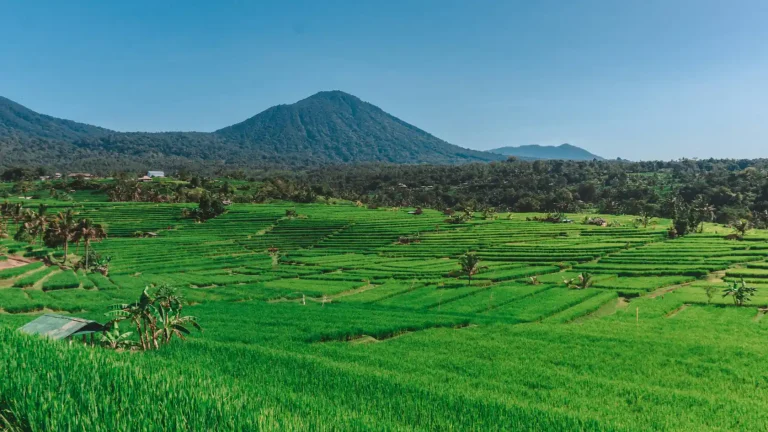
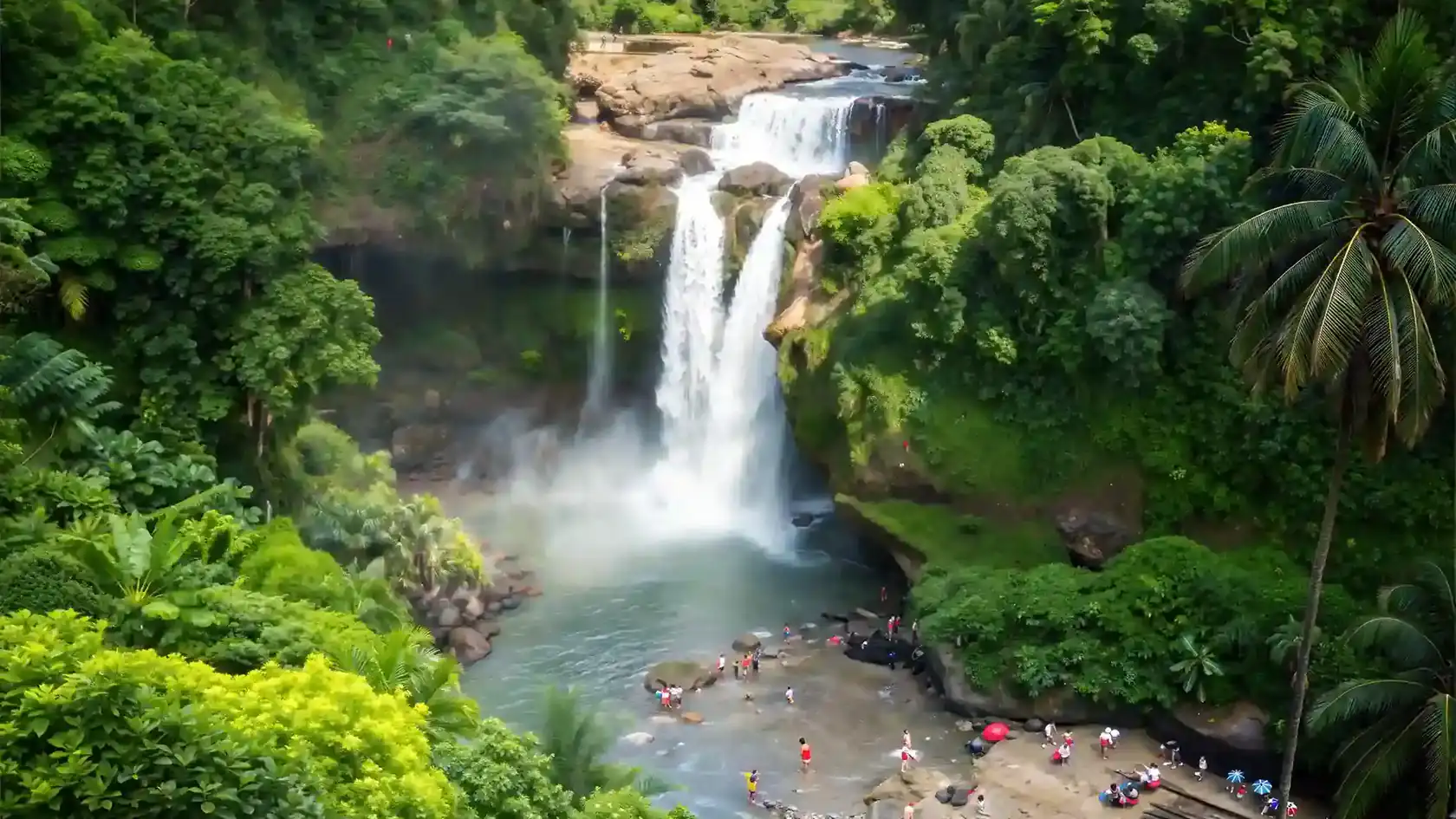
Bali’s wet season, which typically runs from November to March, is often dismissed by first-time visitors, but seasoned travellers know it as the ‘green season’—a time of dramatic beauty and quiet introspection. The weather pattern is characterized by high humidity, often exceeding 85%, and short, intense tropical downpours, usually in the afternoon. While a full day of rain is rare, the cloud cover is more consistent and the sun less so. January is the wettest month, with rainfall averages hitting 350mm. However, the effect on the landscape is transformative. The rice terraces around Ubud and Jatiluwih (a UNESCO World Heritage site) become a brilliant, almost-luminescent green. Waterfalls like Tegenungan and Sekumpul are at their most thunderous and impressive.
This season is ideal for a different kind of luxury holiday, one centered on wellness, culture, and relaxation rather than beach-hopping. It’s the perfect time to indulge in a week-long wellness retreat at a world-class facility like COMO Shambhala Estate, where the sound of rain provides a natural meditative soundtrack. The lower tourist numbers mean you can explore the art galleries of Ubud or the temples of Tirta Empul with a sense of peace and solitude unimaginable in July. Furthermore, the value proposition is at its peak. Five-star hotels and luxury villas can offer discounts of 30-50% compared to high-season rates. A trip during this time requires a mindset shift: plan your outdoor activities for the morning and reserve afternoons for a cooking class, a spa treatment, or simply reading a book on your covered veranda as the rain falls. It’s a more intimate, atmospheric Bali.
Aligning with Indian Holidays: Diwali, Summer Breaks, and Long Weekends
For many Indian travellers, the best time to visit Bali is inextricably linked to the national holiday calendar. The most popular period is the summer school break in May and June, which aligns perfectly with Bali’s best weather. This is the prime time for family travel, but be prepared for high demand. Flights on airlines like Vistara or Singapore Airlines should be booked at least six months in advance—by January for a June trip—to avoid surging prices. A family of four flying from Delhi can expect airfares to be 25-40% higher during this period compared to September. The August 15th long weekend is another peak travel window, falling squarely in the dry season and attracting a significant number of visitors from India.
The Diwali holiday in October or November presents a more complex choice. It often falls on the cusp of the dry and wet seasons, making the weather a bit of a gamble. You might get lucky with a week of sunshine, or you could face the first of the seasonal rains. It’s a fantastic time to escape the city pollution back home, but flexibility is key. Conversely, the Christmas and New Year’s period is a major peak season in Bali despite being the monsoon. The island transforms into a party hub, with international DJs and extravagant events at every major beach club and hotel. Prices for accommodation during this week (roughly December 24th to January 2nd) are the highest of the year, often double the low-season rates. It’s a vibrant, high-energy time to visit, but not for those seeking tranquility or a bargain.
Beyond Weather: Timing Your Trip for Bali’s Cultural Heartbeat
To truly understand Bali, one must look beyond the climate charts and into its rich cultural calendar. The island runs on the 210-day Pawukon calendar, meaning festival dates shift annually. Planning a trip to coincide with a major ceremony offers an window into the soul of the island. The most significant is Nyepi, the Balinese Day of Silence, typically in March. The day before, massive, demonic-looking effigies called Ogoh-ogoh are paraded through the streets in a cacophony of noise and fire, meant to purge evil spirits. This is followed by a mandatory 24 hours of complete silence, where everything on the island shuts down—including the airport. For a tourist, being ‘locked in’ a luxury resort for a day of quiet reflection under a star-filled sky (with no light pollution) is a once-in-a-lifetime experience. It’s the ultimate digital detox.
Another key period is the celebration of Galungan and Kuningan, a ten-day festival that happens roughly every seven months. This is when the ancestral spirits are believed to visit the earth, and the Balinese welcome them with elaborate offerings and prayers. The island is at its most beautiful, with every street lined with decorative ‘penjor’. For the culturally curious, timing your trip around events like the Bali Arts Festival (June-July) in Denpasar or the Ubud Writers & Readers Festival (October) adds a rich intellectual and artistic layer to your holiday. These are not mere tourist shows but authentic, deeply-felt expressions of a culture that is both ancient and dynamic. Even our complete guide to India to Bali travel advises checking the cultural calendar before booking your flights.
Quick FAQ: Your Bali Timing Questions Answered
What is the best time for a honeymoon in Bali from India?
For a honeymoon, the shoulder months of May, June, and September are ideal. You’ll enjoy the perfect dry-season weather with sunny days and balmy evenings, but with fewer family crowds than in the absolute peak of July and August. This allows for a more intimate experience at the romantic cliff-top resorts in Uluwatu or in the private pool villas of Seminyak. Prices are also slightly more favourable, allowing you to perhaps upgrade your room or extend your stay.
Is it worth visiting Bali during the monsoon season?
Absolutely, if you are the right type of traveller. If your goal is to secure a phenomenal deal on a world-class luxury villa and spend your days indulging in spa treatments, yoga, and fine dining, the ‘green season’ (November-March) is a fantastic option. You can find rates up to 40% lower. The lush, vibrant scenery is spectacular, especially around Ubud. However, if your dream is to spend every day on the beach, this period is best avoided due to frequent rain.
How far in advance should I book my trip from India to Bali for the peak season?
For peak season travel (June-August and the Christmas/New Year period), booking 5 to 6 months in advance is highly recommended. For a July trip from Mumbai or Delhi, you should ideally have your flights and primary accommodation booked by February. This not only secures availability at the best properties but also protects you from the significant price hikes that occur closer to the travel dates. Last-minute deals are virtually non-existent for luxury properties during this time.
Is there a bad time to visit Bali?
While there is no truly “bad” time, January and February present the most challenges for a typical holiday. These months experience the heaviest rainfall and highest humidity of the year. This can lead to localized flooding, which can disrupt travel plans, and makes beach and outdoor activities difficult. While the island remains open and beautiful, it’s the period that least resembles the sun-drenched image most visitors have in mind.
Ultimately, the “best” time to visit Bali is a personal equation, balancing your tolerance for crowds, your budget, and your definition of a perfect holiday. Whether you seek the vibrant energy of the high season or the contemplative quiet of the green season, Bali offers a unique and profound experience. Ready to craft your perfect escape? Our comprehensive india to bali travel guide offers bespoke itineraries, flight advice, and insider access to ensure your journey is flawless, no matter when you choose to go.