The optimal time for your india to bali journey for luxury travelers is during the dry season, from April to September, offering consistent sunshine and ideal conditions for both land and marine activities. This period aligns with peak holiday seasons, ensuring vibrant experiences.
- Peak Season (June-August): Expect abundant sunshine, calm seas, and bustling luxury resorts, with villa rates escalating by 25-40%.
- Shoulder Season (April-May, September): Enjoy excellent weather with fewer crowds and slightly more competitive pricing, a sweet spot for discerning travelers.
- Wet Season (October-March): Experience lush landscapes, fewer tourists, and significant value, especially for cultural immersion and wellness retreats, despite daily tropical showers.
Imagine the soft hum of a private jet descending through clear skies, the scent of frangipani already reaching you as you step onto the tarmac in Denpasar. The air, warm and caressing, promises days of sun-drenched beaches, bespoke spa treatments, and exquisite culinary journeys. Your india to bali adventure begins with a crucial decision: when to immerse yourself in this island paradise? Timing is everything when curating a truly luxurious experience, dictating not just the weather, but the very rhythm of the island, from the tranquility of your private villa to the vibrancy of its underwater world. Let Condé Nast Traveler guide you through the nuanced seasonality, ensuring every moment of your Balinese escape is perfectly orchestrated.
April and May: The Golden Shoulder Season
As India embraces the peak of its spring, Bali settles into its glorious shoulder season, a period often overlooked but truly golden for the discerning traveler making the india to bali trip. The transition from the wet season is complete, leaving behind a refreshed landscape and an increasing number of sun-drenched days. Average temperatures hover around a comfortable 28-30°C, with humidity levels noticeably lower than the preceding months. Rainfall becomes sporadic, typically short, refreshing afternoon showers that quickly give way to clear skies. This period offers an exquisite balance: the island is vibrant and green, yet the crowds of the peak dry season have not yet fully arrived.
Marine conditions are superb. Visibility for diving and snorkeling around Nusa Penida and Candidasa often exceeds 20-25 meters, revealing vibrant coral gardens and a kaleidoscope of marine life. Luxury yachts find calm waters for excursions to secluded coves. Villa rates, while beginning their upward trend, remain more accessible than in July or August, often presenting a 10-15% saving. Direct flights from major Indian cities like Mumbai or Delhi typically take around 7-8 hours, making this transition seamless. Consider securing a private clifftop villa in Uluwatu or an exclusive beachfront estate in Seminyak during this window. The cultural calendar also begins to awaken, with local ceremonies becoming more frequent, offering authentic glimpses into Balinese life without the crush of tourist onlookers. Enjoy bespoke culinary experiences at renowned establishments like Locavore or Mozaic, where reservations are still attainable without extensive wait times.
June, July, August: The Zenith of Dry Season
This is Bali’s undisputed high season, a magnet for luxury travelers seeking flawless tropical perfection. For those embarking on an india to bali journey, these months promise relentless sunshine, minimal humidity, and an average daily temperature of a pleasant 27°C. Rainfall is exceedingly rare, often less than 50mm for the entire month, ensuring uninterrupted days by the infinity pool or exploring ancient temples. The consistent, gentle trade winds create ideal conditions for surfing, kiteboarding, and paragliding, particularly along the southern coastlines of Seminyak and Canggu.
The island buzzes with an upscale energy. Exclusive beach clubs like Finns VIP Beach Club and Potato Head are at their vibrant peak, hosting international DJs and events. Marine conditions are at their absolute best, with crystal-clear waters offering unparalleled visibility for diving with manta rays at Manta Point or exploring the Liberty shipwreck off Tulamben. Expect to book luxury accommodations and popular fine-dining restaurants months in advance; villa rates can increase by 30-50% during this period, with some premium properties commanding upwards of $1,500-$2,000 per night. Flight prices from India also reach their highest point, reflecting the strong demand. Despite the higher price point and increased visitor numbers, the unparalleled weather and vibrant atmosphere make this period irresistible for those prioritizing perfect conditions for their luxury escape. The Balinese calendar is also dotted with significant religious festivals, adding a rich cultural layer to your visit, though these can also contribute to localized traffic. For detailed climate data, consult Wikipedia’s Climate of Bali page.
September and October: The Second Shoulder, A Gentle Descent
As the dry season gracefully recedes, September and October offer another superb window for a luxury india to bali escape, particularly for those who appreciate a slightly calmer pace without compromising on weather. September still largely mirrors the dry season’s perfection, with temperatures averaging 29°C and low humidity. October sees a subtle shift, with the occasional brief shower signaling the approaching wet season, but these are typically short-lived and refreshing. This period still boasts excellent conditions for all outdoor activities, from trekking through the rice terraces of Ubud to indulging in water sports along the coast.
Crowds begin to thin out slightly compared to the peak months, making it easier to secure prime reservations at exclusive resorts and restaurants. Villa prices often see a modest decrease of 10-20% from peak season rates, offering better value for comparable luxury. Marine visibility remains very good, although currents can start to pick up towards the end of October, particularly on the north and west coasts. This is an ideal time for exploring the cultural heartland of Ubud, with its serene yoga retreats and artisan workshops, or for a bespoke wellness journey at a secluded jungle resort. The quieter atmosphere allows for more intimate interactions and a deeper connection with the island’s spiritual essence. For a comprehensive guide to Bali’s diverse offerings, explore Indonesia.Travel’s official Bali page. Consider a private chef experience at your villa, leveraging the abundance of fresh, seasonal produce.
November to February: The Lush Wet Season
For the luxury traveler seeking a different facet of Bali, the wet season presents a unique charm and compelling value. From November to February, the island transforms into a verdant paradise, characterized by daily tropical showers, high humidity, and average temperatures of 26-28°C. While rain can be heavy, it often comes in predictable bursts, typically in the afternoon, leaving mornings and evenings clear and breezy. This period sees the fewest crowds, creating an atmosphere of serene tranquility across the island, perfect for a truly private escape.
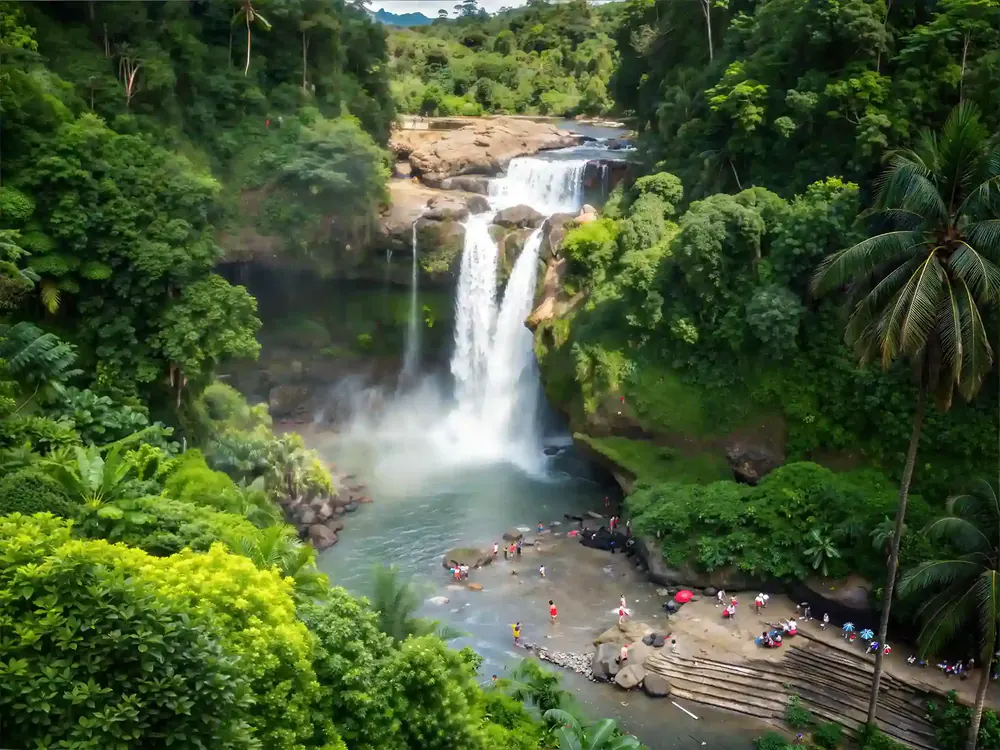
Marine conditions are more variable; while the east coast (e.g., Candidasa, Amed) often remains suitable for diving, the west coast can experience choppier seas and reduced visibility due to runoff. However, this is the season for lush, vibrant landscapes – the rice paddies are at their most brilliant green, and waterfalls cascade with powerful beauty. Luxury villa rates plummet by 30-50% compared to peak season, offering exceptional value for opulent stays. Many high-end resorts also offer attractive packages, including extensive spa treatments, cooking classes, and cultural excursions. This is an ideal time for a deep dive into Balinese culture, visiting temples like Tanah Lot or Uluwatu during quieter moments, or exploring the island’s burgeoning art scene. The Christmas and New Year period within this window is an exception, seeing a surge in prices and crowds, so plan accordingly if celebrating during this festive time. For a deeper understanding of Indonesia’s cultural heritage, consider visiting the UNESCO World Heritage site for Bali’s Cultural Landscape.
December and January: Embracing the Tropical Rains
These months are the heart of the wet season, with rainfall often exceeding 250-300mm per month. While the weather can be challenging for beach-focused activities, it’s a phenomenal time for indoor luxury experiences. Imagine a private yoga session overlooking rain-kissed jungle, followed by an indulgent Balinese massage in a world-class spa. Exclusive resorts excel at crafting bespoke itineraries that embrace the elements, from gourmet cooking classes using local ingredients to guided meditation sessions. Airfares from India can be surprisingly competitive outside of the festive weeks. The cooler, rain-washed air also brings a unique freshness, and the fewer tourists mean a more authentic, unhurried interaction with local life. Many luxury properties offer extended stay discounts, making a multi-week retreat highly appealing. For those seeking quiet reflection and profound cultural engagement, this is a beautiful time to visit.
February and March: The Transition to Renewal
As February progresses into March, Bali slowly transitions out of its wet season, offering a fascinating blend of conditions. Rainfall begins to decrease, though still present, and sunny periods become more frequent and extended. Humidity remains high, but the air feels less oppressive. This period offers some of the best value for luxury travel, as the peak wet season discounts often linger, and the crowds remain minimal. The landscape is intensely green and vibrant, perfect for photography and exploring Bali’s natural beauty. Marine conditions start to improve noticeably, particularly towards late March, making it a good time for diving and snorkeling without the peak season prices.
March also hosts Nyepi, the Balinese Day of Silence, a profound and unique cultural experience where the entire island shuts down for 24 hours. Luxury resorts often offer special packages for Nyepi, allowing guests to experience this sacred day in comfort and contemplation. Flight prices from India are generally at their most attractive during these months, outside of any specific Indian holiday periods. This is an excellent time to visit if you seek a luxurious, tranquil escape with significant cost savings, and don’t mind the occasional tropical shower. Explore our guide to Bali’s top wellness retreats, many of which offer exceptional programming during this serene period. Consider a stay in a private villa in Sidemen, nestled amongst emerald rice fields, offering unparalleled privacy and immersion.
Your Bespoke Bali Journey Awaits
Regardless of the season, Bali promises an unparalleled luxury experience, a seamless blend of spiritual tranquility and sophisticated indulgence. From the sun-drenched beaches of the dry season, perfect for private yacht charters and exclusive beach club access, to the lush, contemplative ambiance of the wet season, ideal for immersive wellness retreats and cultural explorations, your india to bali journey can be tailored to your precise desires. Understanding these seasonal nuances empowers you to craft an itinerary that aligns perfectly with your vision of paradise, whether that involves diving into crystal-clear waters or finding serenity amidst rain-kissed rice paddies. For inspiration on exquisite accommodations, delve into our curated collection of luxury villas in Bali, or plan your next gourmet adventure with our guide to Bali’s finest restaurants. The island’s magic is constant; only its expression shifts with the turning months. Let Condé Nast Traveler guide you to your perfect Balinese moment.